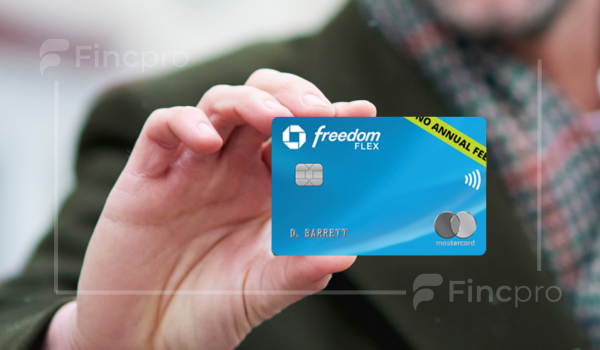
Chase Freedom Flex
No annual fee Chase Travel earningsApplying for the Chase Freedom Flex can feel exciting when you want a cash back card with more earning power than a basic flat-rate option. It has no annual fee, rotating bonus categories, dining rewards, drugstore rewards, and extra value on eligible Chase Travel purchases.
However, this card works best when you understand how it fits your habits. The highest rewards require activation in rotating categories, so the card rewards organized users. Before applying, it helps to review your credit score, income, debt, and spending routine.
Benefits of the credit card
The biggest benefit is the mix of no annual fee and strong bonus categories. Many cards with no annual fee offer simple rewards, but this option can earn more when the quarterly categories match your purchases.
Additionally, the card can support common U.S. spending habits. Dining, takeout, drugstores, online shopping, groceries during selected quarters, gas during selected quarters, and Chase Travel bookings can all create value.
The intro APR period can also help with planned purchases or eligible balance transfers. Still, this benefit works best with a payoff plan. Otherwise, the regular variable APR can become expensive after the promotional period ends.
Main advantages include:
- $0 annual fee
- rotating 5% cash back categories after activation
- rewards on dining and drugstore purchases
- elevated rewards on Chase Travel bookings
- intro APR period on purchases and balance transfers
- useful Mastercard benefits, depending on eligibility
Even so, this is not a luxury travel card. It is stronger for flexible cash back than for airport lounges, hotel status, or premium travel credits.
Trade-offs to weigh
The main limitation is category activation. If you forget to activate the quarterly categories, you may miss the highest rewards rate. That can make the card less useful for people who want everything to work automatically.
Also, rotating categories have spending caps. After the quarterly limit is reached, purchases usually earn at the regular base rate. Therefore, heavy spenders may need another card to maximize value.
The card also competes closely with simpler options. Citi Double Cash and Wells Fargo Active Cash may feel easier because they offer flat rewards without activation. So, the better choice depends on whether you want simplicity or optimization.
APR is another issue. The intro APR can help for a limited time, but this is not a long-term financing tool. If you carry a balance after the promotional window, interest charges can reduce the value of rewards.
Approval basics and paperwork
Chase usually reviews the full financial profile. A stronger applicant often has good credit, stable income, low credit utilization, and a history of on-time payments.
There is no guaranteed public minimum required credit score. However, many applicants may want to be near good-credit territory, often around 670 or higher. Scores closer to 700 can improve the odds when debt and recent applications are controlled.
You may need to provide:
- legal name and date of birth
- Social Security number or eligible tax identification
- physical U.S. address
- annual income or eligible household income
- employment, self-employment, or retirement income details
- monthly rent or mortgage payment
A credit card for self-employed or 1099 workers is possible. However, income should be accurate and realistic. If Chase needs more context, tax records, bank statements, or business income history may help.
Chase Freedom Flex
“`htmlHow the offer actually compares
The $0 annual fee is one of the strongest points of Chase Freedom Flex. Compared with Chase Sapphire Preferred, Capital One Venture, or Amex Gold, this card is easier to keep long term because it does not require a yearly cost.
Still, no annual fee does not mean no costs. Late fees, balance transfer fees, and variable APR can still apply. The card works best when users pay on time and avoid long-term balances.
Rewards are where the card can outperform many no-fee competitors. The rotating 5% categories can beat flat-rate cards when the quarterly categories match real purchases.
However, Citi Double Cash and Wells Fargo Active Cash may be easier for users who dislike activation. Chase Freedom Flex wins on upside, while flat-rate cards win on simplicity.
The intro APR period can help with short-term planning. It may be useful for a planned purchase or eligible balance transfer when the user has a clear payoff schedule.
However, this is not the same as set monthly payments. If someone needs financing options with low down payment or rates from 3.99% APR, a personal loan or auto loan may be a better comparison.
The welcome offer can add strong first-year value when the spending requirement fits normal expenses. It should come from planned purchases, not impulse spending.
Compared with premium travel cards, the requirement is usually easier for everyday households. However, users should still confirm the current offer before applying.
Everyday value depends on how organized the cardholder is. If you activate categories and use the card strategically, it can deliver strong cash back without an annual fee.
If you prefer one card for everything, a flat 2% cash back card may feel smoother. Still, for category optimizers, this card can be a flexible and rewarding choice.
The comparison above shows the card’s best role. It is not the simplest cash back card, but it can offer more value when users follow the quarterly structure.
Chase Freedom Flex can reward organized spending
The Chase Freedom Flex can be a smart card for people who want cash back, no annual fee, and stronger rewards in selected categories. It works best for users who activate bonuses, track spending caps, and pay balances on time.
Before applying, review your score, income, recent accounts, debt, APR risk, and spending habits. A good credit card should match your routine instead of creating extra work or expensive balances.
Want a clearer application path? Continue to the next page.
Review the application
This link keeps you on this website
Related reading
Wells Fargo Active Cash Makes Everyday Spending Feel More Rewarding
Applying for the Wells Fargo Active Cash can feel like a practical move when you want cash rewards without complicated categories. This card is built for people who prefer a simple…

Chase Sapphire Preferred Can Turn Travel Spending Into Real Value
Applying for the Chase Sapphire Preferred can feel exciting when travel is already part of your plans. The card offers a clear path to turn everyday spending into points, especiall…

American Express Gold Card Can Turn Dining Into Real Value
Applying for the American Express Gold Card can feel exciting when food, groceries, and travel are already part of your routine. This card is built for people who want Membership R…