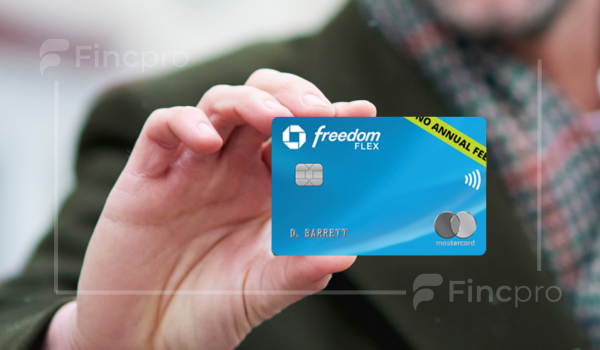
The Chase Freedom Flex can be a strong choice for U.S. consumers who want cash back without paying an annual fee. It combines rotating bonus categories, dining rewards, drugstore rewards, Chase Travel value, and an intro APR period that may help with planned spending.
However, this card is not just about earning rewards. Chase may review your score, income, debt, recent applications, credit history, and repayment behavior before making a decision. Therefore, understanding the approval process can help you apply with better timing.
Why choose this credit card
This card stands out because it mixes everyday rewards with quarterly bonus categories. Many no-annual-fee cards offer one flat rate, but this option can deliver stronger value when the activated categories match your spending.
Additionally, the $0 annual fee makes the card easier to keep long term. You do not need to spend heavily just to offset a yearly charge. For many households, that creates a low-pressure way to earn rewards on routine purchases.
The card can work well for groceries during selected quarters, gas stations during selected periods, restaurants, drugstores, online shopping, and Chase Travel bookings. Still, users need to activate quarterly categories to capture the highest bonus rate.
Key benefits may include:
- $0 annual fee
- rotating 5% cash back categories after activation
- rewards on dining and drugstore purchases
- elevated rewards on Chase Travel purchases
- intro APR on purchases and balance transfers
- useful protections and Mastercard benefits
Even so, this card requires attention. If you forget to activate a quarter, you may miss the best rewards. Therefore, it fits people who like optimizing without paying for a premium card.
Requirements for approval
Chase does not publish one guaranteed minimum required credit score for this card. Even so, cash back cards from major U.S. issuers usually favor applicants with good credit or better. Many applicants may want to be around 670 or higher, while scores near 700 can improve approval odds.
That said, Chase does not judge the score alone. The bank may also review income, rent or mortgage payment, existing debt, utilization, hard inquiries, and recent new accounts. So, a strong score with high balances can still create approval friction.
Applicants should usually prepare:
- legal name and date of birth
- Social Security number or eligible tax identification
- physical U.S. address
- annual income or eligible household income
- employment, self-employment, or retirement income details
- monthly housing payment
A credit card for self-employed or 1099 workers is possible. However, the income should be accurate and realistic. If Chase needs more context, bank statements, tax records, or business income history may help support the application.
What score do I need to qualify
A common question is, what score do I need to qualify? For this type of rewards card, a fair score may not be enough. A stronger profile usually includes good credit, low utilization, and a clean payment history.
A self-employed customer with score 420 getting approval may happen with secured cards or credit-builder products. However, that example is not realistic for this unsecured cash back card from a major issuer. At that point, rebuilding should come first.
On the other hand, a 730 score does not guarantee approval. Recent late payments, too many new cards, high debt, or thin credit history can still hurt the application. Therefore, your full credit file matters more than one number.
Set monthly payments vs. variable APR options
This card offers an intro APR period on purchases and balance transfers, which can help with short-term planning. For example, a planned appliance purchase may be easier to manage during the promotional window if you pay it down on schedule.
However, the standard APR applies after the intro period. Since the APR is variable, borrowing costs can change with the market. Therefore, carrying a balance for a long time may become expensive.
This is where set monthly payments vs. variable APR options matter. A personal loan may give clearer monthly payments, while a credit card balance can become less predictable after the promotion ends.
Some consumers search for financing options with low down payment or rates from 3.99% APR. Those offers usually belong to auto loans, promotional retail financing, or excellent-credit personal loans. They should not be expected from this rewards card.
How to increase your approval chances
The simple strategy starts with reducing risk before applying. Pay on time, lower revolving balances, and avoid opening several accounts in a short period. These steps can make your profile look more stable.
Additionally, check your credit reports before submitting an application. A wrong late payment, outdated collection, or incorrect balance can damage approval odds. Fixing errors early may prevent an unnecessary denial.
A more advanced strategy involves timing. Chase is known for reviewing recent card openings closely. If you have opened several personal cards in the last 24 months, waiting may be smarter than applying immediately.
You can also improve your profile by reporting income accurately. Eligible household income may count in some situations, but the number should always be truthful and supportable.
Before applying, consider these moves:
- keep utilization below 30%, and ideally lower
- avoid new applications for several months
- pay balances before statement closing dates
- review preapproval options when available
- keep older accounts open when possible
- build a banking relationship responsibly
If your profile is weak, patience can help. A denial adds a hard inquiry, while a few months of stronger credit habits may improve the next application.
How to apply for the credit card
You can usually apply online through Chase, through a branch, or through an eligible offer. Before applying, review the current rewards, intro APR, fees, bonus categories, and terms. Card details can change, so the application page matters.
Next, decide whether the card fits your spending style. If you like rotating categories, dining rewards, and no annual fee, it may work well. If you prefer flat rewards, Wells Fargo Active Cash or Citi Double Cash may feel simpler.
Then, gather your personal information. Chase may request your name, address, date of birth, Social Security number, income, employment status, and housing payment. Self-employed applicants should use income they can reasonably document.
After submitting the application, you may receive an instant decision. Sometimes, Chase may request manual review or identity verification. If that happens, wait for the official notice before applying for another card.
If denied, read the adverse action letter carefully. It may mention credit score, recent accounts, debt, income, or limited history. Then, you can decide whether to rebuild, call reconsideration, or choose a starter card.
Chase Freedom Flex FAQ
Can I get Chase Freedom Flex with bad credit
Approval with bad credit is unlikely. If your report shows collections, charge-offs, late payments, or a very low score, a secured card may be a better first step.
What is the minimum score for Chase Freedom Flex
There is no guaranteed public minimum score. However, good credit often helps, and many applicants may want to be around 670 or higher before applying.
Do I need to be employed for Chase Freedom Flex
Not always. Self-employed workers, 1099 contractors, retirees, and applicants with eligible household income may apply. The income must be accurate and enough to support repayment.
Is Chase Freedom Flex good for balance transfers
It can help during the intro APR period, but balance transfer fees may apply. You should calculate the payoff plan before moving debt to the card.
Does Chase Freedom Flex require category activation
Yes, quarterly bonus categories require activation. If you forget to activate, you may miss the highest rewards rate for that quarter.
Little-known tips before applying
One useful tip is to apply when your reported utilization is low. Credit bureaus usually receive balances after statement closing dates, not every time you make a payment. Therefore, paying early can help your profile look stronger.
Another point is Chase relationship banking. A checking account, savings account, or existing Chase card does not guarantee approval. Still, responsible history may give the bank more context about your financial behavior.
Also, track quarterly categories before applying. If the bonus categories rarely match your spending, a flat-rate card may deliver easier value. However, if you shop in those categories often, this card can outperform many basic cash back options.
A branch visit may also help if you want guidance. You cannot negotiate approval like a personal favor, but a banker may help you understand current offers and application timing.
Finally, avoid applying only for the welcome bonus. If the spending requirement pushes unnecessary purchases, the reward becomes less useful.
Alternatives if you are not approved
If Chase declines your application, you still have options. Discover it Secured and Capital One Platinum Secured can help rebuild credit with more accessible approval paths.
For fair credit, Capital One QuicksilverOne may be possible, although the annual fee deserves careful review. For stronger profiles, Citi Double Cash and Wells Fargo Active Cash can compete well with simpler rewards structures.
If you already use Chase, Freedom Rise may be worth reviewing for early credit-building needs. A local credit union can also offer relationship-based underwriting and lower-rate cards.
If your main goal is financing, compare a personal loan instead. Set monthly payments may be easier to manage than variable APR credit card debt after an intro period ends.
Chase Freedom Flex can reward organized spenders
The Chase Freedom Flex can be a strong no-annual-fee card for people who enjoy cash back optimization. It works best when the user activates categories, pays on time, and avoids long-term balances.
Before applying, compare your score, income, recent accounts, debt, and spending habits. Then, choose based on your profile instead of chasing a card that may not fit your current credit stage.
A good rewards card should support your budget and make everyday spending more valuable. It should not create expensive debt after the intro APR period ends.
Apply with Chase now
This link opens the lender’s site
Related reading
Wells Fargo Active Cash Approval Guide for Simple Cash Rewards
The Wells Fargo Active Cash can be a smart option for U.S. consumers who want simple cash rewards without tracking rotating categories. It offers a flat rewards structure, a $0 ann…
Citi Double Cash Approval Guide for Everyday Cash Back
The Citi Double Cash can be a strong choice for U.S. consumers who want simple cash back without tracking rotating categories. It offers a $0 annual fee, a clear rewards structure,…

Chase Sapphire Preferred Approval Guide for U.S. Travelers
The Chase Sapphire Preferred is one of the most searched travel cards in the United States because it sits between basic cash back cards and premium travel cards. It has an annual …