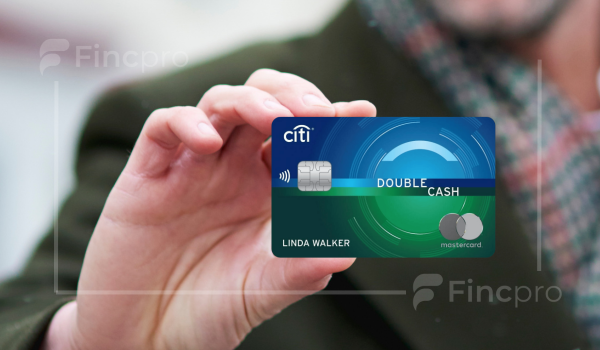
The Citi Double Cash can be a strong choice for U.S. consumers who want simple cash back without tracking rotating categories. It offers a $0 annual fee, a clear rewards structure, and a balance transfer intro APR that may help with debt planning when used carefully.
However, this card is not only about earning cash back. Approval still depends on your credit profile, income, debt, recent applications, and repayment history. Therefore, the smartest move is to understand how the card works before applying.
Why choose this credit card
The main reason to consider this card is its simple cash back setup. Cardholders can earn cash back when they buy and again when they pay. That structure rewards regular spending and responsible repayment at the same time.
Additionally, the $0 annual fee makes the card easier to keep for the long term. You do not need to calculate whether a yearly charge cancels out your rewards. For many households, that makes the card more practical than premium travel cards.
The card can fit common U.S. expenses, including groceries, gas, subscriptions, pharmacy purchases, phone bills, insurance payments, and online shopping. Since rewards are not tied to changing quarterly categories, the card can feel easier to manage.
Key benefits may include:
- $0 annual fee
- simple cash back on everyday purchases
- welcome bonus for eligible new cardmembers
- intro APR on balance transfers
- flexible redemption through eligible Citi options
- useful value for people who dislike category tracking
Still, this card is not designed for luxury travel. It does not focus on airline lounges, hotel status, travel credits, or transfer partner strategies like some Chase, Capital One, and American Express cards.
Requirements for approval
Citi does not publish one guaranteed minimum required credit score for this card. Even so, major U.S. cash back cards usually favor applicants with good credit or better. In practical terms, a FICO score around 670 may help, while scores near 700 or higher can improve the odds.
That said, the score is only one part of the review. Citi may also evaluate your income, housing cost, current debt, credit utilization, account history, payment patterns, and recent hard inquiries. Therefore, a clean profile matters.
Applicants should usually prepare:
- legal name and date of birth
- Social Security number or eligible tax identification
- physical U.S. address
- annual income or eligible household income
- housing payment or rent amount
- employment or self-employment details
A credit card for self-employed or 1099 workers is possible. However, income should be accurate and reasonable. If Citi needs more context, tax records, bank statements, or business payment history may support the application.
What score do I need to qualify
A common question is, what score do I need to qualify? For this card, fair credit may not be enough. Many applicants should aim for good credit, low utilization, and a positive payment record before applying.
A self-employed customer with score 420 getting approval may happen with secured cards, credit-builder accounts, or very small starter lines. However, that situation is not realistic for a mainstream unsecured rewards card from a major issuer.
On the other hand, a 730 score does not guarantee approval. High balances, recent late payments, several new accounts, or unstable income can still hurt the application. So, the full credit file matters more than one number.
Set monthly payments vs. variable APR options
This card can be useful for balance transfers because it may offer a 0% intro APR period on eligible transfers. That can help someone organize existing credit card debt and reduce interest for a limited time.
However, the regular APR applies after the promotional window. Since the APR is variable, borrowing costs can change based on market conditions. Therefore, carrying a long-term balance may become expensive.
This is where set monthly payments vs. variable APR options matters. A personal loan may offer clearer payments, while a credit card can become harder to predict after the intro period. It depends on the amount, repayment timeline, and discipline.
Some people search for financing options with low down payment or rates from 3.99% APR. Those terms are more common in auto loans, promotional retail financing, or excellent-credit personal loans. They should not be expected from this cash back card.
How to increase your approval chances
The simple strategy starts with lowering risk. Pay bills on time, reduce credit card balances, and avoid multiple applications before applying. These steps can make your profile look stronger.
Additionally, check your credit reports for errors. A wrong balance, outdated collection, or incorrect late payment can hurt your odds. Fixing issues before applying may prevent an avoidable denial.
A more advanced strategy involves timing. If your cards report high balances near statement closing dates, your utilization may look worse than it really is. Paying early can help your profile appear cleaner.
You can also review existing relationships with Citi. Having a checking account, savings account, or previous Citi card does not guarantee approval. Still, responsible history may give the bank more context.
Smart preparation may include:
- keeping utilization below 30%
- waiting after recent credit applications
- paying balances before statement closing
- updating income accurately
- avoiding overdrafts or missed payments
- checking prequalified offers when available
If your profile is weak, waiting may be better than rushing. A denial adds a hard inquiry and may reduce confidence for the next application.
How to apply for the credit card
The application can usually be completed online through Citi. Some applicants may also apply by phone or receive offers by mail. Before starting, review the current bonus, APR, fees, and balance transfer terms.
Next, confirm whether the card fits your goals. If you want simple cash back, it may work well. If you want travel perks, a card like Chase Sapphire Preferred, Capital One Venture, or American Express Gold may fit better.
Then, gather your personal and financial details. You may need your name, address, date of birth, Social Security number, income, employment status, and housing payment. Self-employed applicants should use income they can reasonably support.
After submitting the application, Citi may provide an instant decision. Sometimes, the bank may request manual review or additional verification. If that happens, wait for the official response before applying elsewhere.
If denied, read the letter carefully. It may point to high debt, low score, recent inquiries, insufficient income, or limited credit history. Then, you can decide whether to rebuild, call for clarification, or choose a starter product.
Citi Double Cash FAQ
Can I get Citi Double Cash with bad credit
Approval with bad credit is unlikely. If your report shows collections, charge-offs, late payments, or very low scores, a secured card may be a better first step.
What is the minimum score for Citi Double Cash
There is no guaranteed public minimum score. However, good credit often helps, and many applicants may want to be around 670 or higher before applying.
Do I need to be employed for Citi Double Cash
Not always. Self-employed workers, 1099 contractors, retirees, and people using eligible household income may apply. The income must be accurate and enough to support repayment.
Is Citi Double Cash good for balance transfers
It can be useful for eligible balance transfers during the intro APR period. However, transfer fees apply, and balances should be paid before the regular APR begins.
Does Citi Double Cash have an annual fee
No. The card has a $0 annual fee, which helps long-term value. However, APR charges, late fees, and balance transfer fees can still apply.
Little-known tips before applying
One useful tip is to compare Citi’s prequalification options before applying. A prequalified offer does not guarantee approval, but it may show whether your profile fits Citi’s current standards.
Another point is the balance transfer fee. Many applicants focus only on the 0% intro APR and forget the fee. For example, transferring $3,000 with a 3% fee would cost $90 upfront.
Also, avoid mixing purchases with a balance transfer unless you understand the terms. New purchases can create interest issues depending on payment behavior and promotional rules.
A branch or phone conversation may help if you already bank with Citi. You cannot negotiate approval like a personal favor, but you may learn which product fits your profile better.
Finally, do not apply only for the welcome bonus. If the spending requirement pushes you beyond your budget, the bonus can become a poor financial move.
Alternatives if you are not approved
If Citi declines your application, there are still good options. Discover it Secured can help rebuild credit while earning rewards. Capital One Platinum Secured may also work for people who need a cleaner starting point.
For fair credit, Capital One QuicksilverOne may be possible, although the annual fee deserves attention. For stronger profiles, Wells Fargo Active Cash and Chase Freedom Unlimited can compete well in flat or simple rewards.
A local credit union may also offer a lower-interest card with more relationship-based underwriting. This can help applicants with thin credit or recent rebuilding progress.
If your main goal is debt payoff, compare a personal loan. Set monthly payments may be easier to manage than variable APR card debt after a promotional period ends.
Citi Double Cash can reward smart everyday spending
The Citi Double Cash can be a strong card for people who want simple rewards, no annual fee, and practical cash back on regular purchases. It works best when the cardholder pays on time and avoids long-term interest.
Before applying, compare your score, income, debt, APR risk, and repayment plan. Then, choose the option that matches your profile instead of chasing a card that may not fit your current credit stage.
A good cash back card should support your budget. It should help you earn value from normal spending without creating expensive balances.
Apply with Citi now
This link opens the lender’s site
Related reading
Wells Fargo Active Cash Approval Guide for Simple Cash Rewards
The Wells Fargo Active Cash can be a smart option for U.S. consumers who want simple cash rewards without tracking rotating categories. It offers a flat rewards structure, a $0 ann…

Chase Sapphire Preferred Approval Guide for U.S. Travelers
The Chase Sapphire Preferred is one of the most searched travel cards in the United States because it sits between basic cash back cards and premium travel cards. It has an annual …
Chase Freedom Flex Approval Guide for Smarter Cash Back
The Chase Freedom Flex can be a strong choice for U.S. consumers who want cash back without paying an annual fee. It combines rotating bonus categories, dining rewards, drugstore r…